World · World News Bureau
Xi's controls versus Trump's vision shape global AI regulatory divide
China and the United States are charting sharply divergent courses for artificial intelligence governance, reflecting broader geopolitical tensions. The competing approaches underscore a fundamental disagreement over how advanced AI systems should be developed and deployed.
LSN World News ·
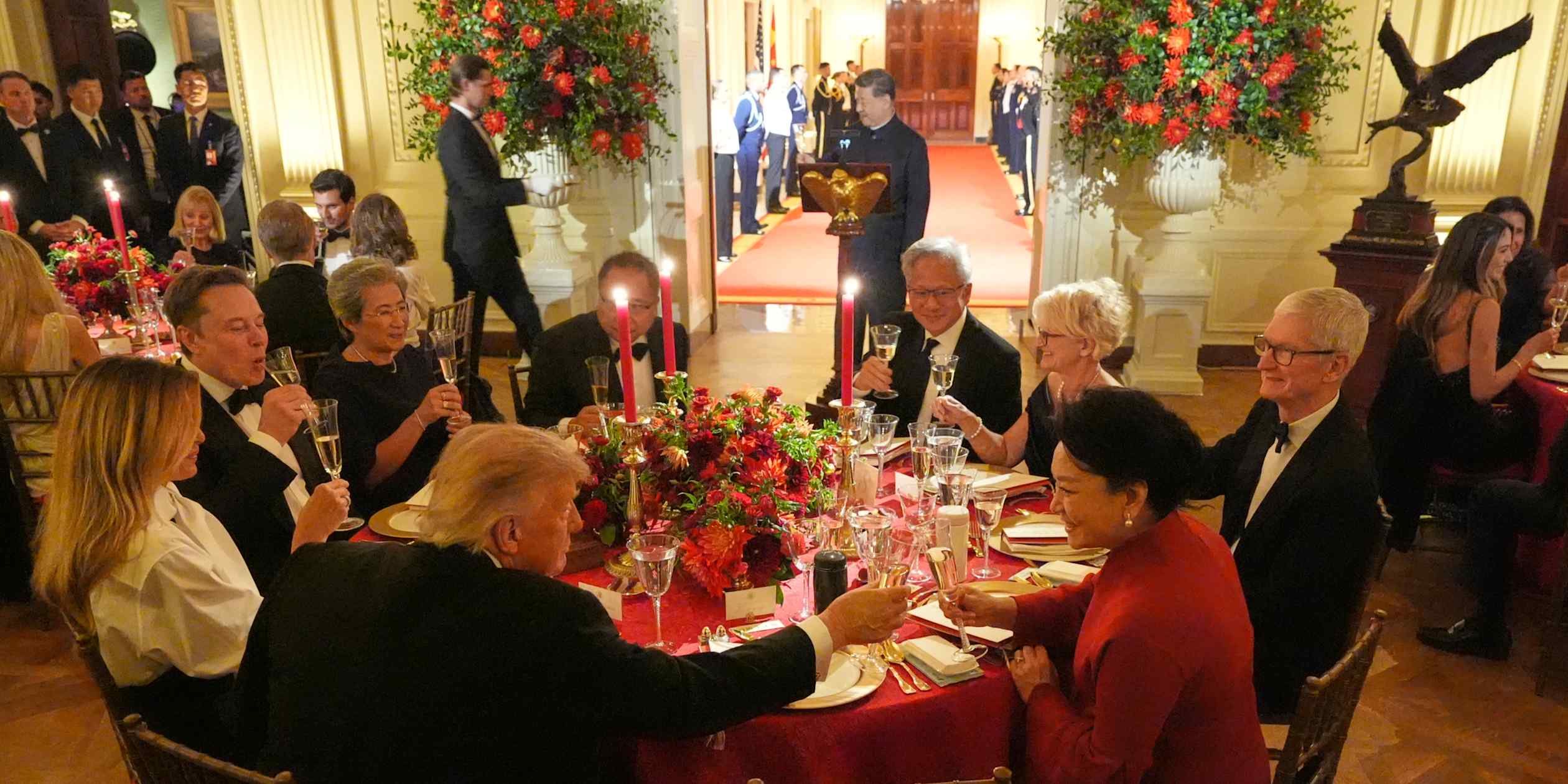
Beijing's regulatory framework emphasizes state oversight and control mechanisms for artificial intelligence development, prioritizing social stability and alignment with Communist Party objectives. Chinese authorities have implemented content guidelines and security reviews for AI systems, seeking to ensure technologies serve national interests and prevent destabilization.
Meanwhile, incoming U.S. leadership has signaled a preference for less restrictive AI governance, promoting rapid technological advancement and competitive innovation. Proponents of this approach argue that lighter-touch regulation encourages breakthroughs in artificial intelligence capabilities without bureaucratic constraints.
The divergence reflects deeper ideological differences between authoritarian and market-based governance models. China views AI as a tool requiring active state direction to maintain social order and advance strategic objectives, while the U.S. approach emphasizes private sector innovation with minimal government interference.
Technology experts warn the regulatory gap could accelerate a global AI divide, with different standards, capabilities, and safety measures emerging across regions. The competing visions may complicate international cooperation on AI safety and governance standards at a time when experts increasingly emphasize the need for coordinated global frameworks.
Both nations recognize artificial intelligence as strategically critical, intensifying their commitment to technological dominance while expanding the philosophical gap over how such powerful systems should be managed.