World · World News Bureau
Xi's Egypt visit signals China's Middle East diplomatic push
Chinese President Xi Jinping's trip to Egypt underscores Beijing's efforts to deepen strategic partnerships across the Middle East as regional tensions escalate. The visit highlights China's growing diplomatic and economic engagement in a traditionally Western-aligned region.
LSN World News ·
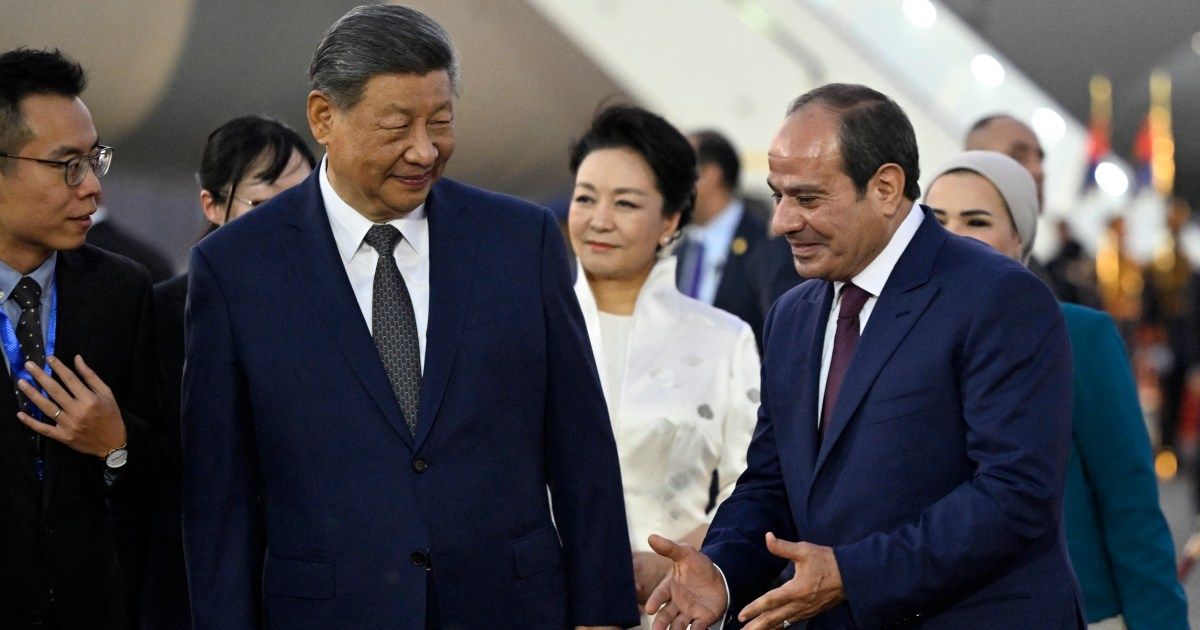
Xi Jinping's visit to Egypt represents a significant moment in Beijing's Middle East diplomacy, reflecting China's determination to expand its influence and deepen ties with one of the Arab world's most influential nations. The Chinese president's engagement with Egyptian counterpart Abdel Fattah el-Sisi comes at a time of heightened regional instability, demonstrating China's commitment to fostering stability through dialogue and economic cooperation.
The timing of the visit underscores Beijing's strategic interests in the Middle East, where China maintains substantial economic investments and relies on critical trade routes. Egypt, as a key regional player controlling the Suez Canal and bridging Africa and the Middle East, holds particular importance for Chinese interests spanning energy security, trade logistics, and geopolitical influence.
China's diplomatic overtures in the Middle East have intensified in recent years as traditional regional powers face mounting challenges. By strengthening bilateral relations with major Arab states like Egypt, Beijing aims to position itself as a reliable partner capable of contributing to regional peace and prosperity without imposing political conditions.
The visit is expected to produce agreements spanning trade, infrastructure development, and security cooperation, reflecting the comprehensive nature of Sino-Egyptian engagement. Such initiatives align with China's broader Belt and Road Initiative while addressing Egypt's pressing development needs and infrastructure challenges.
As Middle Eastern tensions persist, China's enhanced diplomatic presence signals Beijing's aspiration to play a more active role in regional affairs beyond its traditional focus on Asian geopolitics, reshaping the diplomatic landscape in one of the world's most strategically important regions.