World · World News Bureau
Xi's UN absence signals Beijing's assertion of great power parity
Chinese President Xi Jinping's decision to skip the UN General Assembly has been interpreted as a strategic move to position China as a peer competitor to the United States rather than a subordinate participant in Western-dominated institutions.
LSN World News ·
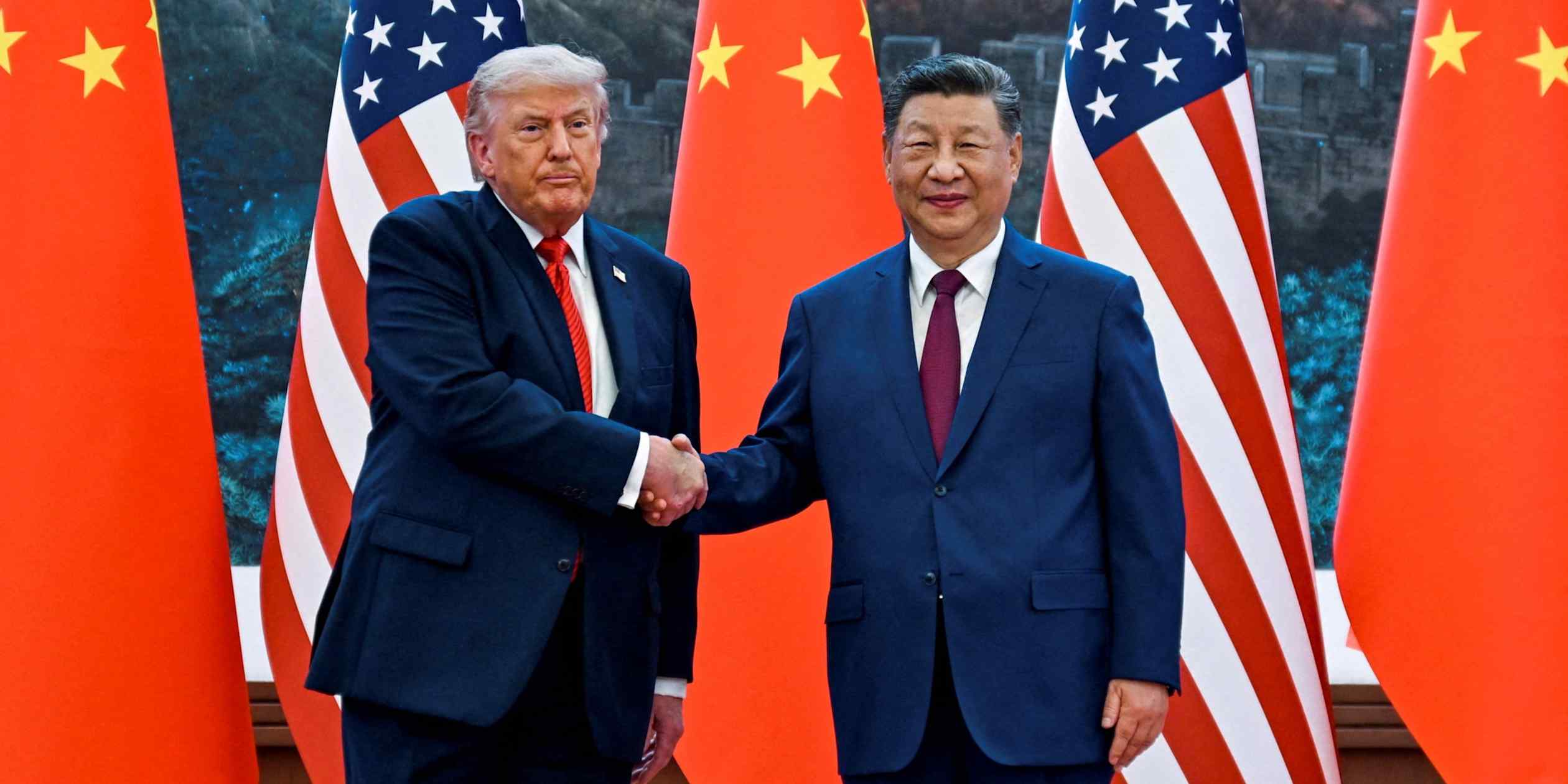
President Xi Jinping's absence from this year's United Nations General Assembly marks a notable departure from recent diplomatic practice, signaling a shift in how Beijing approaches its relationship with the international body and the United States.
The Chinese leader's decision to forgo the traditional address to world leaders comes as Beijing increasingly challenges the post-World War II international order and Western institutional frameworks. By declining to participate in what has traditionally been a high-profile platform for major powers, analysts suggest Xi is making a symbolic statement about China's confidence in its own standing and its unwillingness to operate within structures it views as tilted toward American interests.
The move reflects broader patterns in Chinese foreign policy under Xi's leadership, which has emphasized assertions of sovereignty, regional dominance, and pushback against what Beijing characterizes as Western hegemony. Rather than competing for visibility on the UN stage, the strategy appears focused on reinforcing China's role as an alternative power center with its own sphere of influence and institutional arrangements.
This diplomatic posture carries implications for global governance frameworks and the already-strained relationship between Beijing and Washington. As both nations jockey for influence across Asia and beyond, China's selective engagement with traditional multilateral forums underscores fundamental disagreements over the rules-based international system and each power's rightful place within it.