World · India Bureau
Xi's US Visit Signals Shift Toward Two-Power World Order
Chinese President Xi Jinping's state visit to the United States suggests the Trump administration is embracing a framework centered on US-China relations as the primary axis of global power. The visit marks a symbolic acknowledgment of what analysts describe as a potential 'G2' arrangement, where the world's two largest economies dominate international decision-making.
LSN India ·
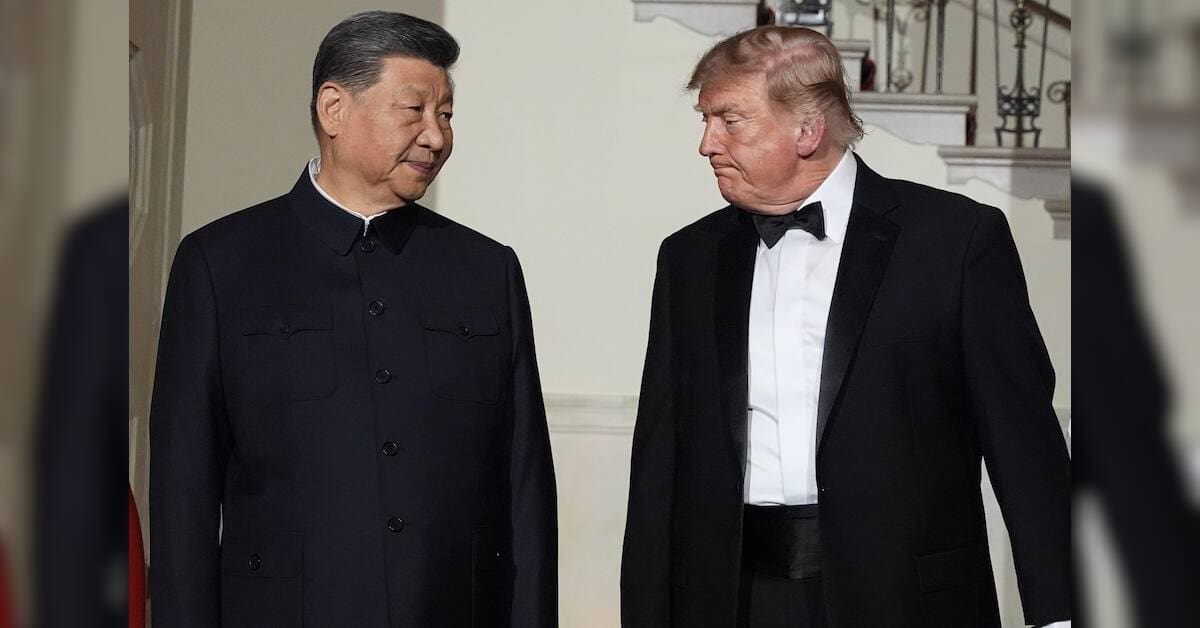
President Xi Jinping's high-profile state visit to Washington indicates a significant reorientation in how the Trump administration perceives its role in global affairs. Rather than emphasizing traditional multilateral institutions or broader alliance structures, the visit underscores a bilateral approach focused on direct great-power engagement between the United States and China.
The concept of a 'G2' framework—where the US and China operate as the primary drivers of international affairs—has long been debated among foreign policy experts. However, the symbolism of the state visit suggests the current US administration views such a two-power arrangement as workable, at least in principle. This approach represents a departure from post-Cold War models that emphasized inclusive multilateral governance through organizations like the UN, WTO, and regional trade blocs.
For nations across South and Southeast Asia, such a shift carries significant implications. Countries in the region have traditionally balanced relationships between major powers, leveraging economic and security partnerships to maintain strategic autonomy. A more explicitly hierarchical G2 framework could reshape regional dynamics and force smaller economies to make clearer strategic choices.
Observers note that while both nations face domestic pressures and competing interests, the willingness to engage in high-level diplomacy signals mutual recognition of each other's power status. Whether this arrangement proves durable or represents a temporary tactical alignment remains uncertain, particularly given the structural tensions underpinning US-China competition across technology, trade, and geopolitics.