World · India Bureau
Xiaomi Redmi 17C faces pricing pressure amid component cost surge
Xiaomi's latest Redmi 17C smartphone arrives at a higher price point, reflecting industry-wide component cost pressures that are reshaping the budget segment. The device must now deliver premium features to justify its new positioning in an increasingly competitive market.
LSN India ·
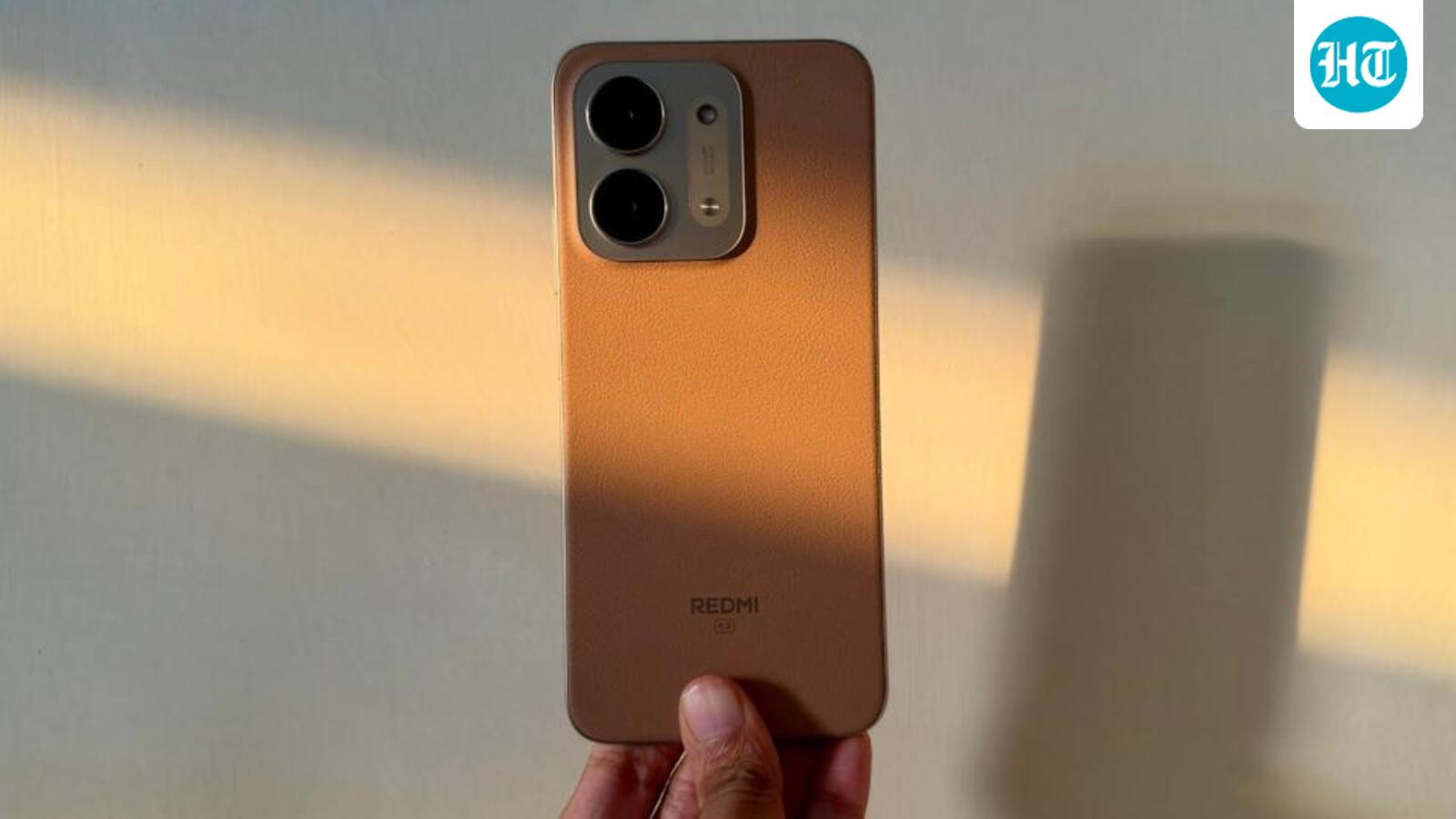
The Xiaomi Redmi 17C represents a significant shift in the company's budget smartphone strategy, arriving at a higher price tier than its predecessors as component costs continue their upward trajectory across the industry. Rising semiconductor prices and supply chain disruptions have forced manufacturers to recalibrate their offerings, pushing even entry-level devices into higher price brackets.
To justify the increased cost, Xiaomi has enhanced the Redmi 17C's build quality and feature set, delivering a more polished device than earlier iterations in the series. The smartphone incorporates improved materials and refined design elements that signal the company's effort to provide better value despite the elevated pricing structure.
However, the device remains vulnerable to supply chain volatility that continues to affect the global electronics industry. Component availability and logistics challenges could impact production volumes and delivery timelines, complicating Xiaomi's efforts to maintain market momentum in the highly competitive Indian budget segment.
The pricing recalibration reflects a broader industry trend where feature-rich budget smartphones are moving into mid-range pricing. Consumers in this segment have become less forgiving of price increases, placing greater pressure on manufacturers to differentiate through design, performance, and software experience rather than aggressive cost positioning.
Analysts note that the Redmi 17C's success will depend on how effectively Xiaomi communicates its value proposition to price-conscious Indian consumers, who remain the largest market for budget smartphone sales in the region.