World · Malaysia Bureau
Year-round air pollution poses persistent health threat to urban Malaysians
While seasonal haze captures public attention, air quality experts warn that chronic pollution from vehicle emissions poses a year-round health risk to millions across Malaysian cities. The reliance on private vehicles has created persistent air quality challenges that extend far beyond seasonal spikes.
LSN Malaysia ·
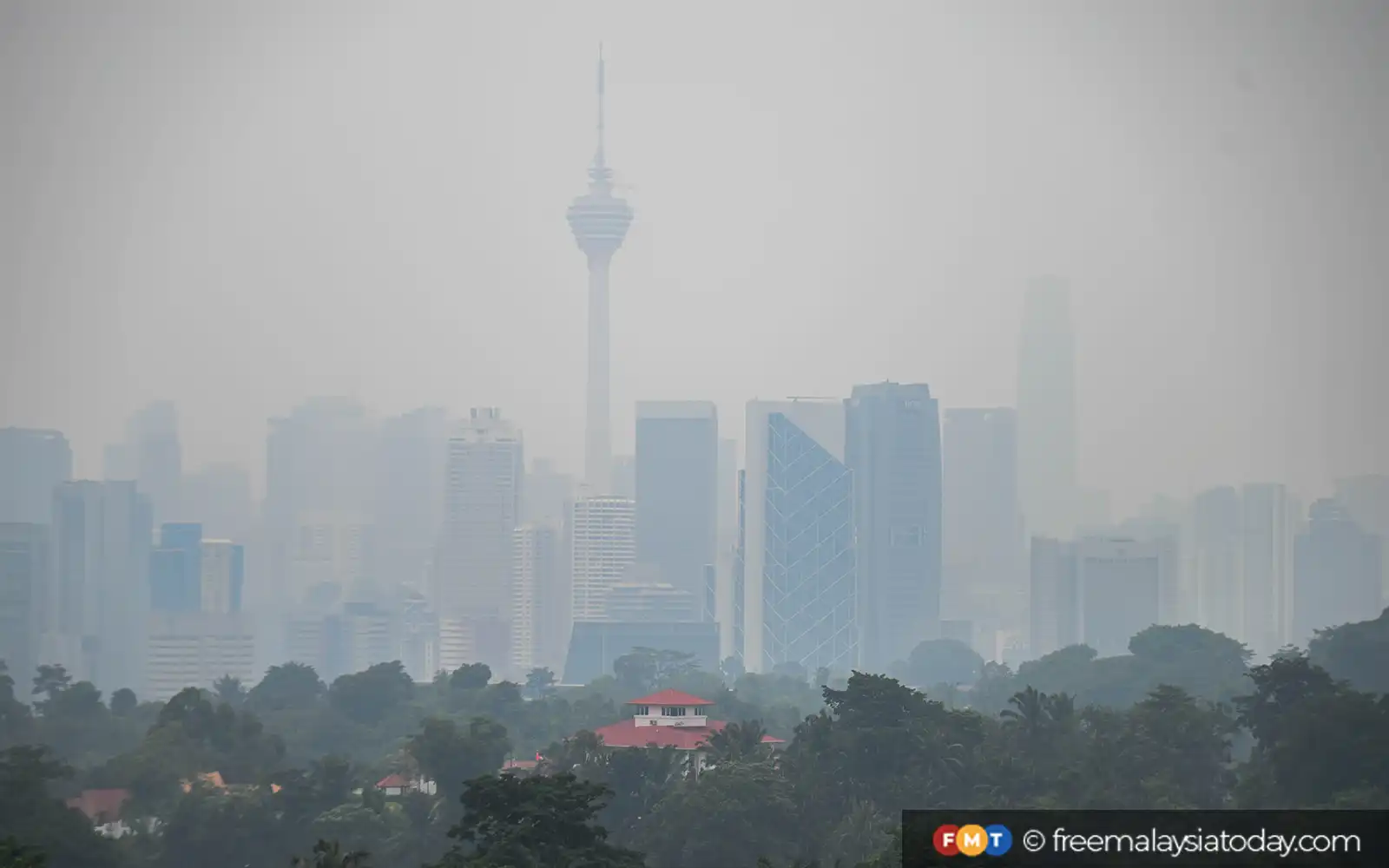
Air pollution in Malaysian urban centres remains a significant public health concern throughout the year, driven primarily by vehicular emissions rather than seasonal factors alone, according to environmental health assessments. The widespread dependence on private transportation has created conditions where poor air quality persists across most months, exposing residents to pollutants that accumulate below hazardous haze thresholds yet still carry measurable health impacts.
While transboundary haze events during specific seasons dominate headlines and trigger government responses, the underlying challenge of daily traffic congestion and exhaust emissions creates a baseline of chronic air pollution that affects urban populations continuously. Medical researchers have documented links between prolonged exposure to these lower-level pollutants and respiratory diseases, cardiovascular complications, and reduced life expectancy, particularly among vulnerable populations including children and the elderly.
The concentration of vehicles in major metropolitan areas, combined with urban geography and weather patterns, creates conditions where pollutant concentrations frequently exceed recommended safety levels. Public health officials suggest that addressing air quality requires sustained interventions beyond seasonal measures, including urban planning reforms, expansion of public transportation systems, and reduction of vehicle dependency. Without comprehensive strategies targeting the structural causes of pollution, Malaysian cities will continue facing persistent air quality challenges that pose invisible but measurable risks to public health.