Business · World News Bureau
Yemen's farmers turn to date cultivation amid economic hardship
As Yemen's economy deteriorates under the weight of conflict and infrastructure collapse, smallholder farmers are increasingly reliant on traditional date farming as a survival strategy. Limited by poor roads, water scarcity and climate pressures, the sector offers few modern alternatives but remains a critical income source.
LSN World News ·
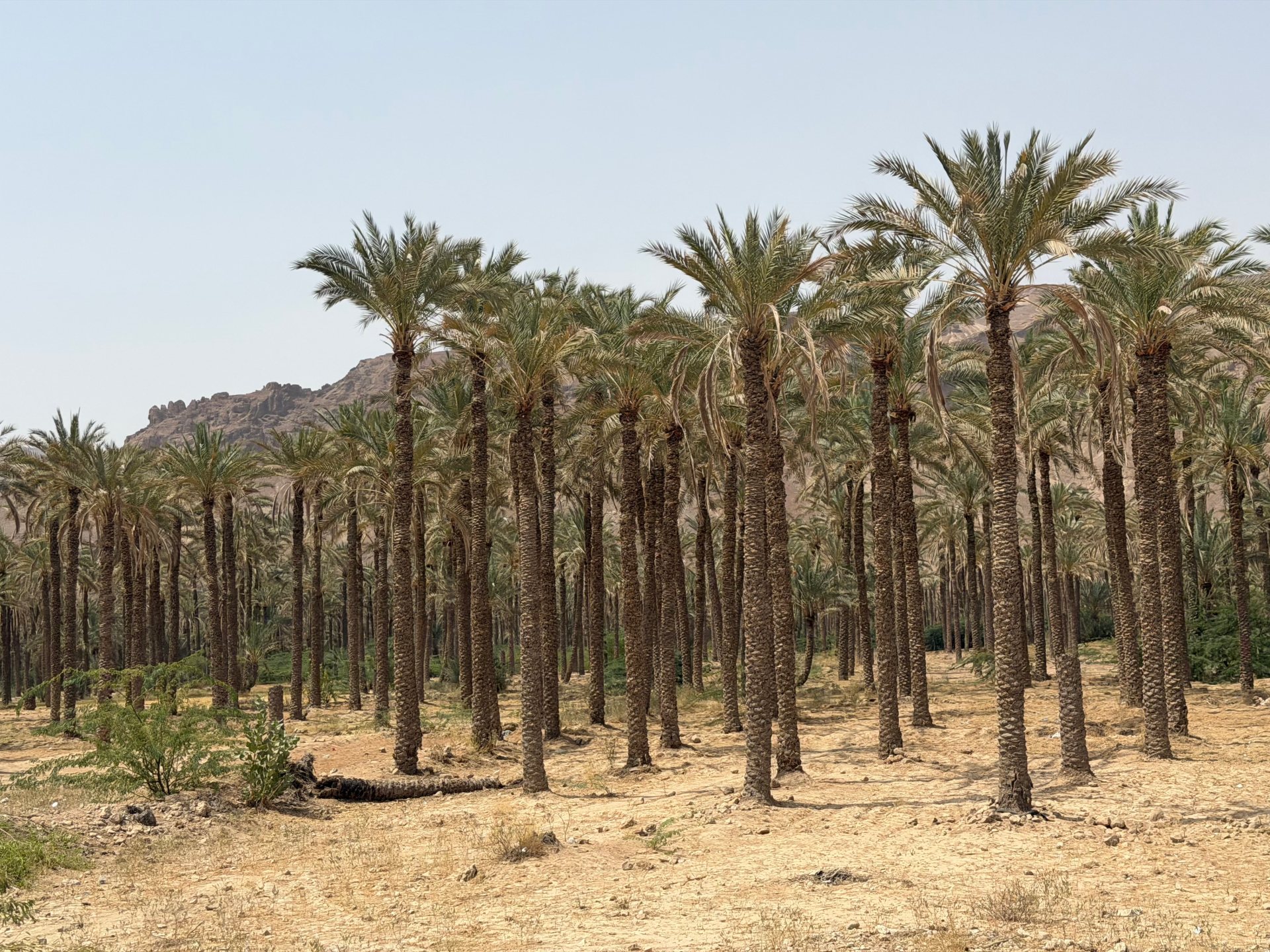
Date palms have long been cultivated across Yemen's arid regions, but their importance has intensified as the country's broader agricultural sector struggles with systemic challenges. Farmers facing diminished opportunities in other crops are doubling down on traditional date harvesting methods passed down through generations, relying on proven techniques suited to Yemen's harsh environment.
The persistence of low-tech cultivation reflects the broader infrastructure crisis gripping the nation. Poor road networks hinder distribution, while inconsistent water availability complicates irrigation efforts. Climate pressures including prolonged droughts further constrain farming options, leaving many rural households with limited pathways to economic stability.
Despite these constraints, date farming remains a viable livelihood for thousands of Yemeni families. The crop's resilience to heat and relative drought tolerance make it well-suited to local conditions, and established markets—both domestic and regional—provide reliable demand. However, experts note that without investment in infrastructure and climate adaptation strategies, the sector's long-term sustainability remains precarious.
The situation underscores Yemen's broader economic vulnerability, where traditional agricultural practices increasingly serve as a safety net for populations with few alternatives. As modernization remains out of reach for most smallholders, date cultivation continues as both cultural practice and economic necessity.