World · World News Bureau
Yemen's medical crisis deepens as conflict closes airports to patients
Escalating fighting in Yemen has effectively sealed off the country's airspace, trapping thousands of chronically ill citizens who depend on overseas medical treatment. The closure of airports has created a humanitarian emergency for patients requiring specialized care unavailable domestically.
LSN World News ·
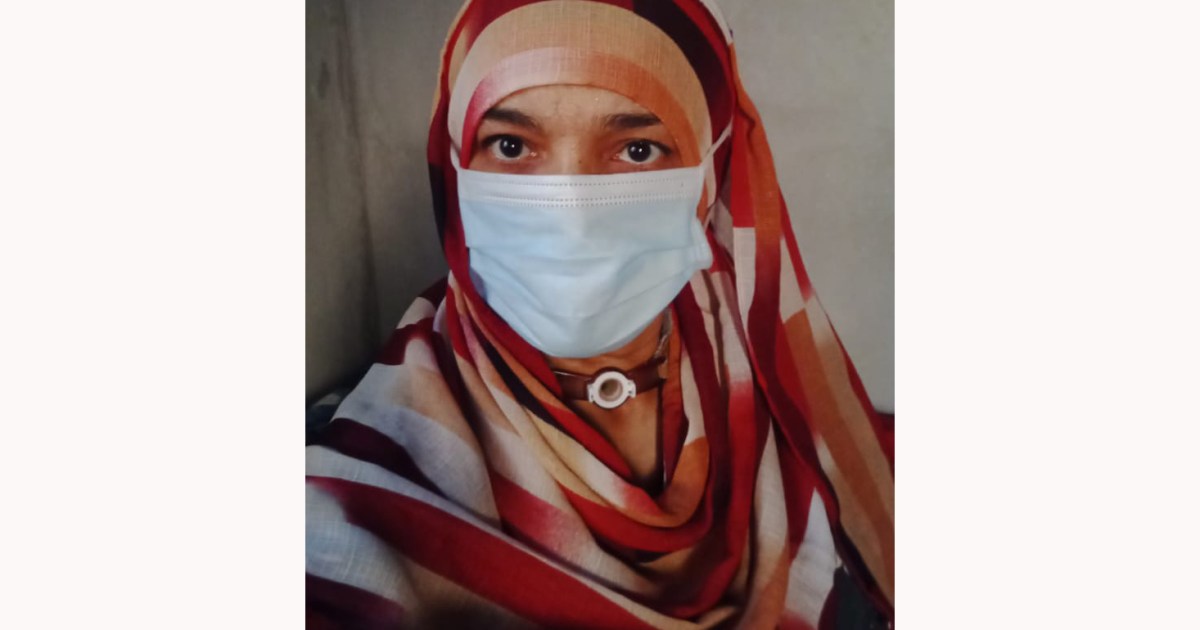
The renewed intensity of Yemen's protracted conflict has triggered a severe medical emergency, with the country's airports rendered inaccessible to civilians seeking critical healthcare abroad. Patients suffering from chronic illnesses—including cancer, heart disease, and other conditions requiring specialized treatment—now face impossible choices as the airspace closure eliminates their primary pathway to life-saving medical interventions available only outside the country.
Yemen's healthcare infrastructure, already ravaged by years of civil war, lacks the capacity to treat many serious conditions. Hospitals across the nation operate with minimal resources, limited pharmaceutical supplies, and staff shortages, forcing many patients to depend on medical evacuation to neighboring countries or further abroad. The airport closures have effectively severed this lifeline.
The medical crisis compounds an already dire humanitarian situation in Yemen, where millions of civilians lack access to basic healthcare, clean water, and food security. International medical organizations have warned that the airport closures threaten to push the country's health system toward complete collapse, with potentially catastrophic consequences for vulnerable populations including children and the elderly.
Humanitarian agencies continue advocating for emergency corridors and temporary cease-fires to allow medical evacuations, though such arrangements remain fragile and inconsistently implemented. The closure underscores how Yemen's ongoing conflict extends its devastating toll far beyond immediate casualties, undermining the country's ability to sustain even minimum standards of medical care for its 30 million inhabitants.