Politics · World News Bureau
Yemen's tribal leaders hold key to anti-Houthi campaign success
Yemen's government is banking on support from the country's powerful tribal networks to counter Houthi forces, though many clan leaders remain hesitant about committing to the conflict. The tribes' strategic importance underscores the fractured nature of Yemen's ongoing power struggle.
LSN World News ·
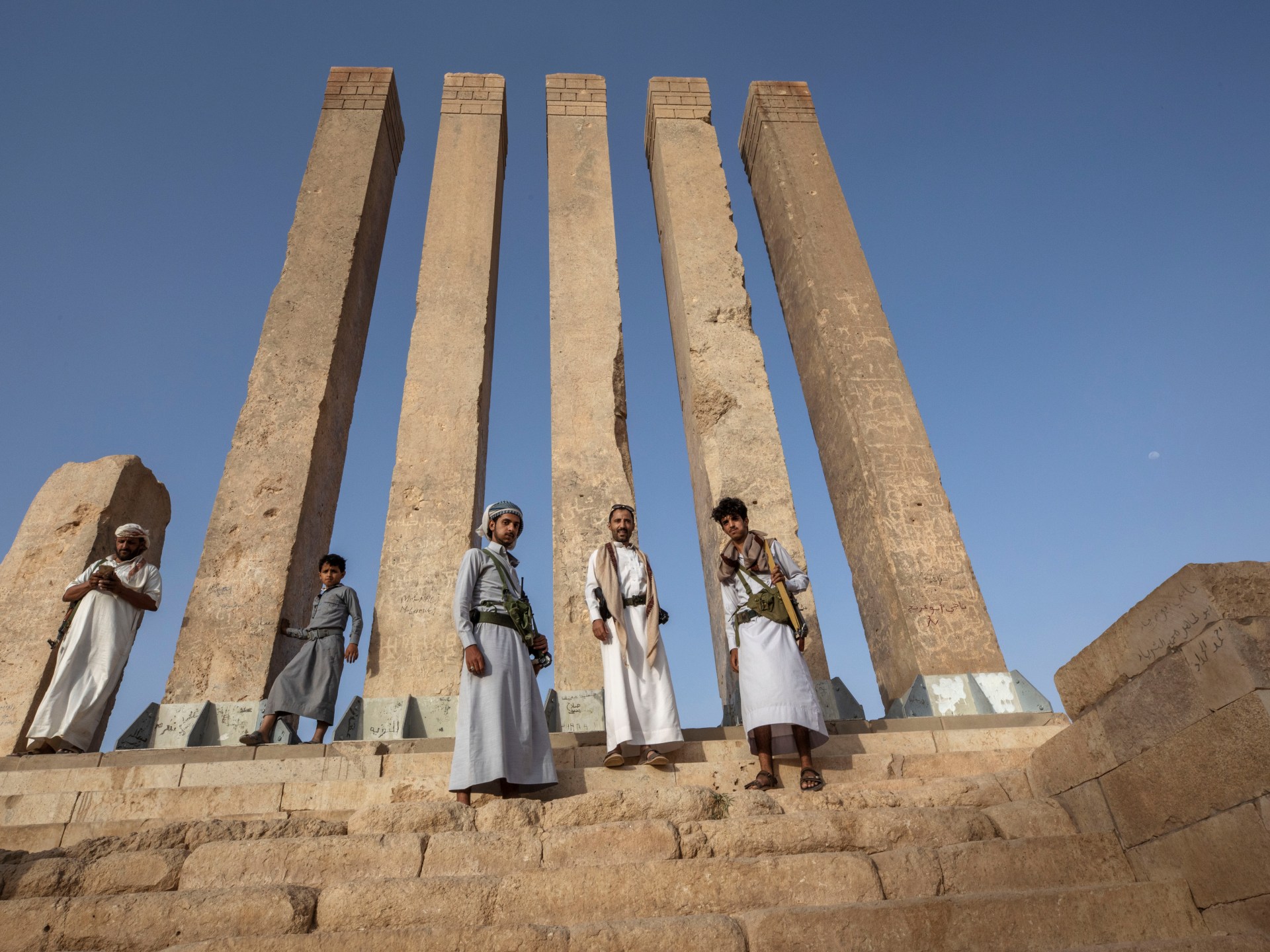
Yemen's government forces face a critical challenge in rallying tribal support against Houthi militants who control much of the country's north and populated centers. The nation's extensive tribal structures have historically wielded significant influence over military mobilization and territorial control, making their allegiance essential to any sustained anti-Houthi operation.
Despite the government's appeals, many tribal leaders have adopted a cautious stance, preferring to assess the balance of power before declaring their positions. This reluctance reflects years of civil conflict that have devastated Yemen's economy and left populations wary of renewed violence. Tribes have traditionally prioritized local security and interests over national political agendas.
The hesitation among tribal elders also stems from concerns about the government's ability to provide protection and resources to communities that align with it. Previous conflicts have demonstrated that tribal commitment without sufficient military backing can leave regions vulnerable to Houthi retaliation. Several prominent tribal leaders have signaled they may move toward engagement, but most appear intent on waiting for clearer indications of military momentum.
Analysts suggest that any breakthrough in securing tribal support could significantly alter the military dynamics of the conflict. However, without demonstrable gains or international support bolstering government forces, tribal neutrality may persist as Yemen's competing factions continue their struggle for dominance.