Business · India Bureau
YES Bank confident on capital position despite AT1 bond reinstatement
YES Bank has signalled it does not face immediate pressure to raise fresh capital following the Supreme Court's verdict on AT1 bonds. The lender said its existing capital buffers and other financial levers provide sufficient flexibility to absorb the impact of reinstating Rs 8,415 crore in subordinated debt.
LSN India ·
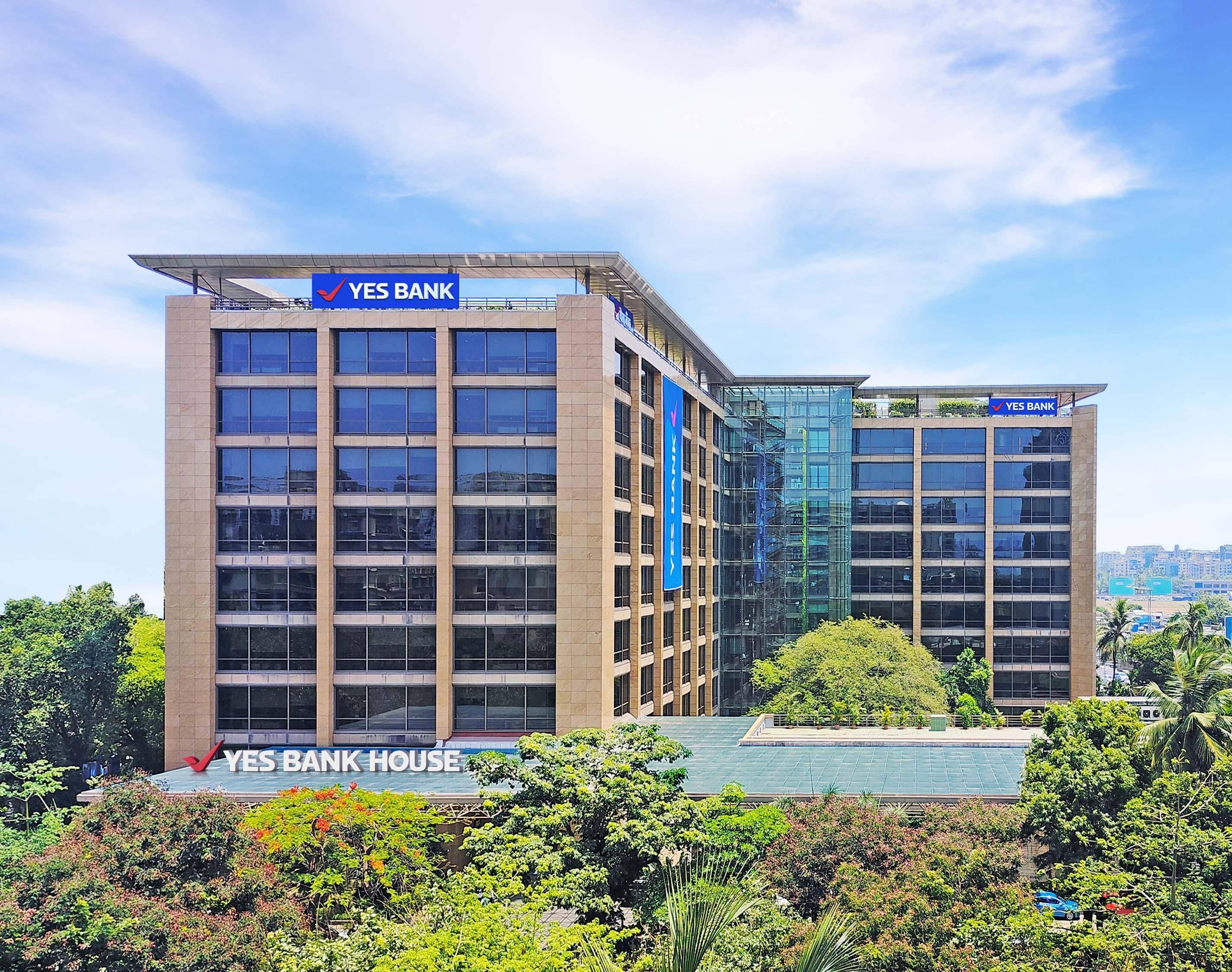
YES Bank has reassured investors and regulators that it can manage its capital position without urgently tapping markets for fresh funds, even as the Supreme Court's recent decision requires reinstatement of Rs 8,415 crore in Additional Tier-1 bonds that were earlier written down.
The private sector lender said it possesses adequate capital buffers to cushion the blow from the bond reinstatement, which is expected to moderately reduce its Common Equity Tier-1 (CET1) ratio—a key metric of financial strength. The bank highlighted that its current capital position remains robust relative to regulatory requirements.
Beyond its existing reserves, YES Bank outlined several options to bolster its capital profile if needed. These include leveraging deferred tax assets and other financial instruments available to it. The flexibility provided by these levers means the lender is not constrained to rush into capital markets, the bank indicated.
The Supreme Court's verdict effectively reversed the bank's earlier decision to write down the AT1 bonds, a move that had been contentious with investors. The reinstatement will require YES Bank to reflect the bonds back on its balance sheet, creating a headwind for its capital metrics but not an insurmountable challenge, according to bank officials.
The bank's measured response comes as Indian lenders navigate a complex regulatory environment around capital requirements and subordinated debt instruments. YES Bank's assertion of comfort on capital management is likely to be closely watched by market participants and banking regulators in the coming quarters.