World · India Bureau
Yosemite meadow restoration shows promise despite ongoing carbon loss
Scientists planted 40,000 native sedges in California's Tuolumne Meadows to reverse a century of grazing damage, but three years of monitoring reveals the recovery process will take far longer than initially hoped.
LSN India ·
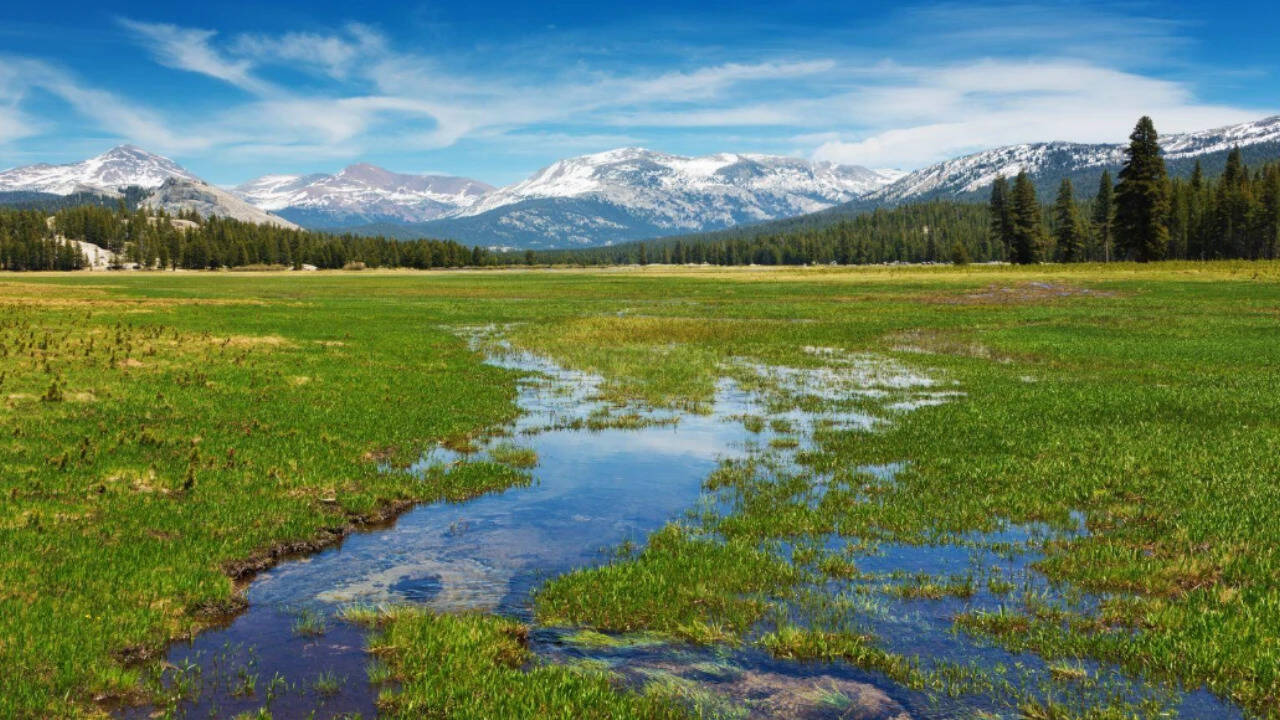
Researchers undertook an ambitious restoration project at Yosemite National Park's Tuolumne Meadows, planting 40,000 native sedge seedlings to rehabilitate soil degraded by intensive sheep grazing throughout the 20th century. The initiative aimed to restore carbon storage capacity in the meadow's soil, which had been severely compromised by decades of pastoral overuse.
After monitoring the site for three years, scientists documented measurable improvements in soil organic matter content, indicating that the planted sedges were indeed taking root and beginning to rebuild the ecosystem. However, the findings also revealed a sobering reality: the meadow continues to release more carbon into the atmosphere than it absorbs and stores in its soil.
The persistent carbon deficit underscores the scale of environmental damage inflicted by historical land use practices. Despite the botanical gains, the meadow's soil remains in a weakened state, unable yet to function as an effective carbon sink. Researchers estimate that achieving full ecological recovery will require between 25 and 50 years of continued restoration work and natural processes.
The Tuolumne Meadows project highlights both the possibility and the patience required for large-scale habitat restoration. While the planted sedges demonstrate positive early growth, the timeline for complete soil rehabilitation extends well beyond initial expectations, reflecting the complex nature of reversing long-term environmental degradation.