Politics · Malaysia Bureau
Young Generation Questions Whether Prosperity Built on Their Future Debt
A young woman's intervention at a recent regional summit has reignited debate over intergenerational equity and whether current economic gains are being funded by obligations passed to younger citizens. The comments underscore growing concerns among youth activists about long-term fiscal sustainability and resource depletion.
LSN Malaysia ·
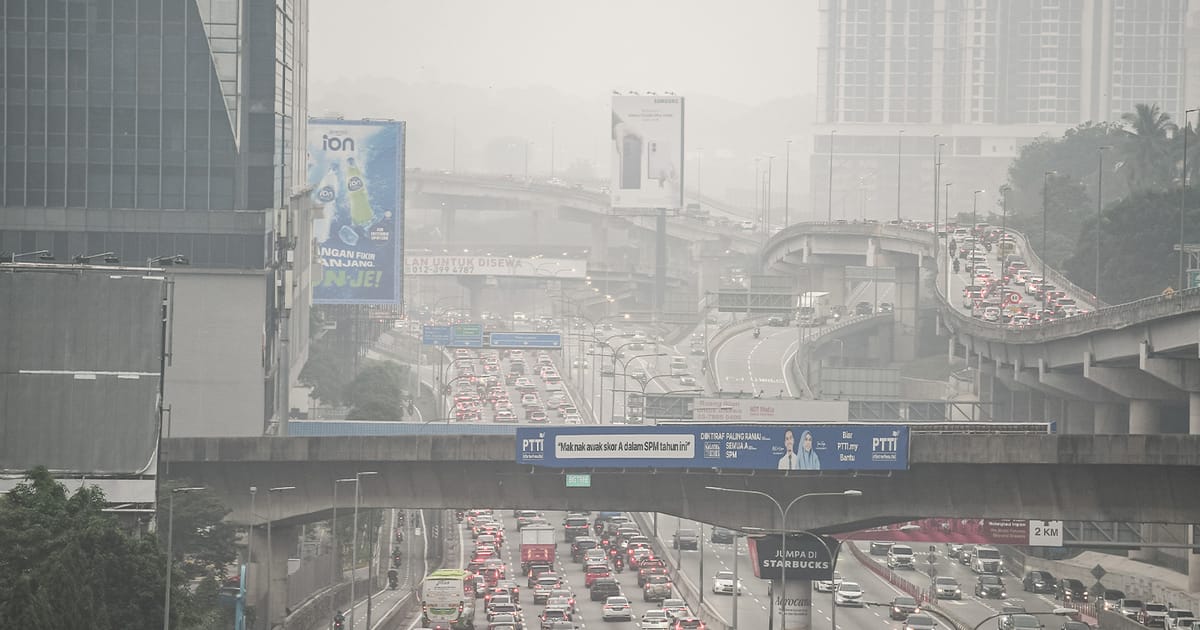
At a recent high-level gathering in the region, a young representative posed a pointed question to policymakers: whether current generations have prioritized immediate prosperity at the expense of their children's financial security and environmental inheritance.
The intervention reflects mounting anxiety among younger demographics across South and Southeast Asia about mounting national debt, climate-related costs, and depleted natural resources. Activists and economists increasingly argue that economic policies pursued over recent decades have externalized costs that will burden future generations through higher taxation, reduced public services, and environmental remediation expenses.
The debate encompasses several interconnected issues: government budget deficits, pension liabilities, infrastructure maintenance costs, and the economic impact of climate change. In several regional economies, aging populations and declining workforce participation rates are creating additional fiscal pressures that younger workers will be expected to manage.
Policymakers have traditionally weighed immediate social spending and development investments against long-term fiscal health, with varying degrees of priority accorded to each. The intervention at the summit suggests this balance sheet is increasingly being scrutinized by younger citizens who will inherit both the benefits and consequences of such decisions.
The exchange underscores a generational divide in perspectives on economic governance and raises questions about whether current policy frameworks adequately account for intergenerational equity and sustainability.