Politics · Singapore Bureau
Young Indian doctoral student emerges as face of anti-Modi protests
Neha Bora, a relatively unknown PhD candidate, has become a prominent figure in India's most significant protest movement against Prime Minister Narendra Modi's government in recent years. The New Delhi-based activist has leveraged her background in theatre to mobilize Gen Z demonstrators across the country.
LSN Singapore ·
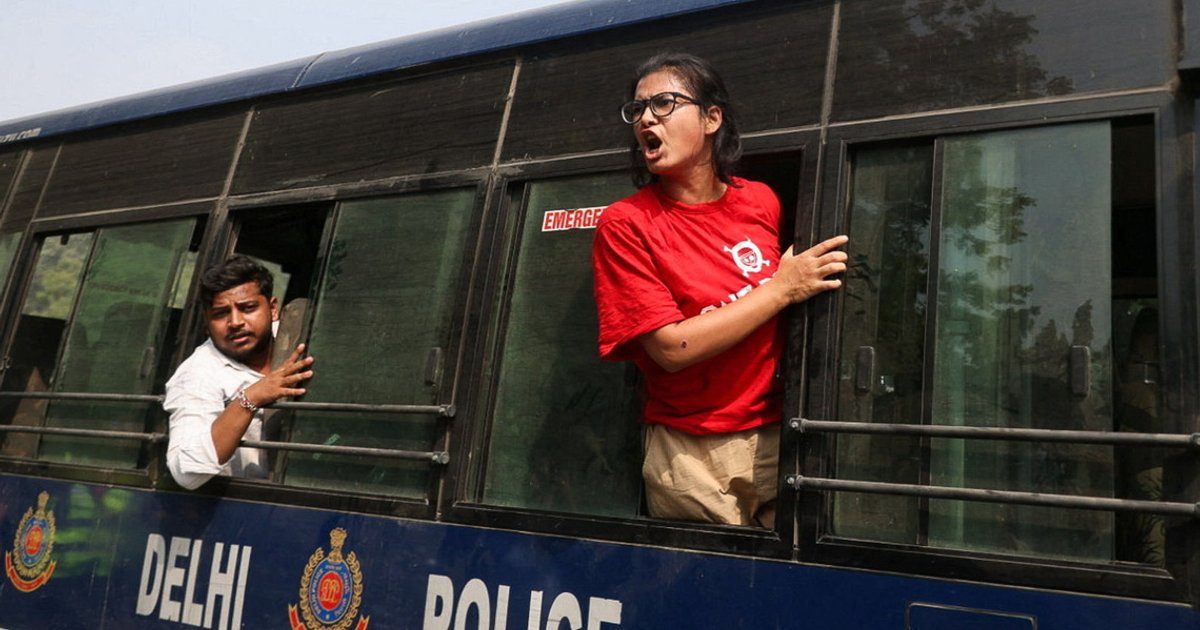
NEW DELHI — A doctoral researcher from New Delhi has unexpectedly risen to prominence as one of the leading voices of an increasingly visible protest movement challenging Prime Minister Narendra Modi's administration.
Neha Bora, a PhD student with roots in theatrical performance, has become a recognizable figure in demonstrations that represent the most substantial political challenge to the Modi government's tenure. Her emergence reflects a broader shift in India's youth activism, with younger generations leveraging creative platforms and grassroots organizing to voice dissent.
Bora's transition from academic and cultural circles to street-level activism highlights how protest movements in India are increasingly drawing participants from diverse professional backgrounds. Her theatrical training has informed her approach to public engagement, enabling her to connect with Gen Z audiences through innovative forms of demonstration and communication.
The protest movement has gained momentum amid widespread concerns about various policy issues affecting India's youth population. Bora's visibility underscores the decentralized nature of the demonstrations, which have mobilized supporters across multiple cities and demographics rather than coalescing around a single organizational structure.
Analysts note that the emergence of figures like Bora signals a generational shift in India's political activism, with younger citizens employing unconventional tactics to articulate grievances and mobilize constituencies traditionally considered disengaged from formal political processes.