Politics · India Bureau
Youth emerges as pivotal force in Indian electoral landscape
Recent byelection setbacks for the BJP and sustained youth-led protests have spotlighted the growing political influence of India's younger voters. Analysis of voting patterns over the past decade reveals shifting dynamics in how young people engage with electoral politics.
LSN India ·
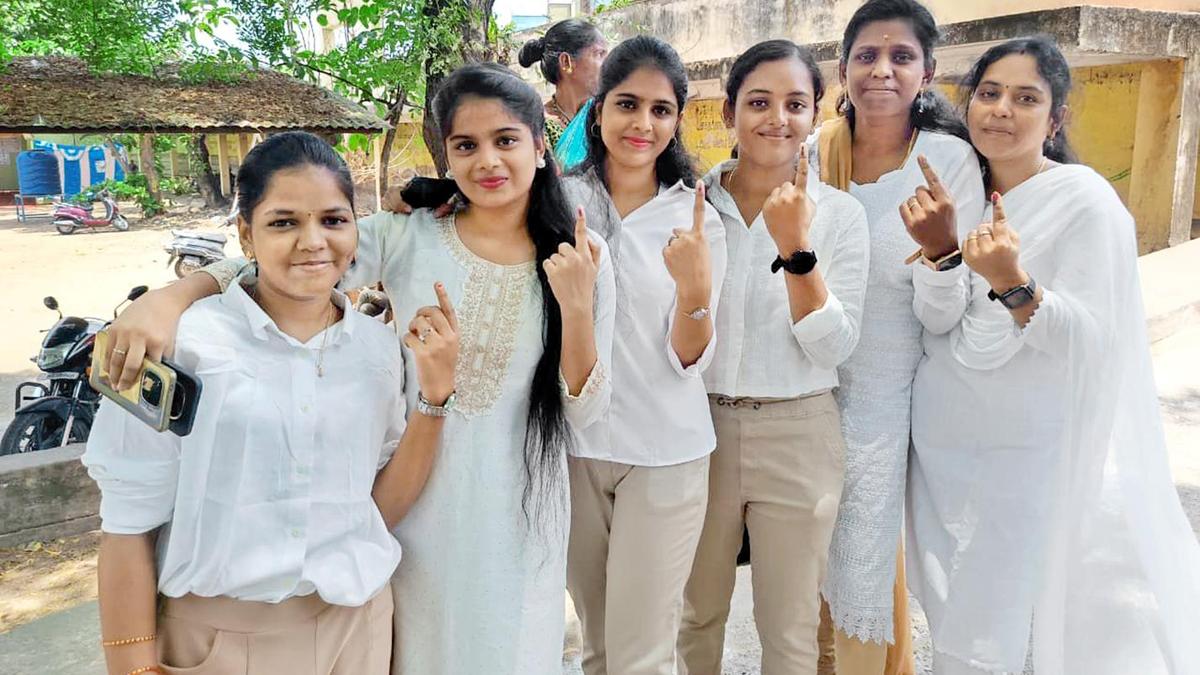
Recent political developments have intensified focus on India's youth electorate as a decisive factor in determining electoral outcomes. The BJP's losses in the Bankipur and Daita byelections, coupled with sustained demonstrations at Jantar Mantar, have underscored the mobilising capacity and political preferences of younger voters across the country.
These events mark a significant moment to reassess the trajectory of youth participation in Indian democracy. Over the past decade, young voters have demonstrated evolving patterns of political engagement, shifting from traditional party loyalties to issue-based voting and grassroots activism. The convergence of electoral setbacks and street-level protests suggests that youth voting behaviour is becoming increasingly consequential in determining political outcomes at multiple levels.
Examiners of Indian electoral trends note that younger demographics have grown more responsive to campaigns centred on governance accountability, employment opportunities, and social issues. The willingness of youth to participate in both formal voting and informal protest movements indicates a more nuanced and dynamic approach to political participation than previously documented.
As political parties recalibrate strategies ahead of upcoming elections, the youth vote has emerged from the margins to occupy centre stage. Understanding the priorities and voting patterns of younger Indians may prove essential for predicting electoral trajectories and shaping political discourse in the months ahead.