Politics · World News Bureau
Zambia's copper resurgence draws investment but raises equity concerns
A surge in mining investment is reshaping Zambia's economy, yet questions linger over who will truly benefit from the commodity boom. Labour protections, environmental safeguards and local enterprise participation remain contentious issues.
LSN World News ·
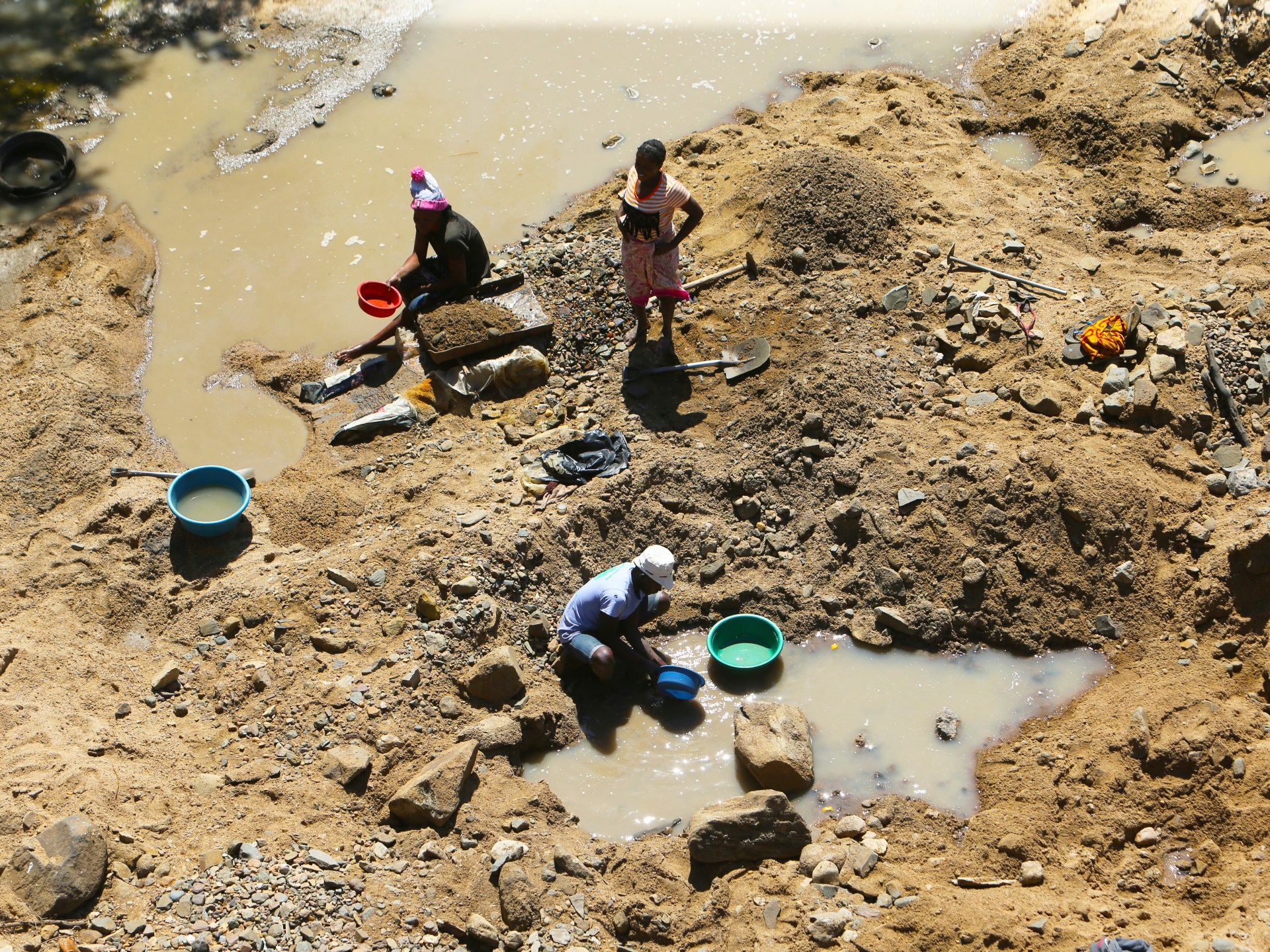
Zambia is experiencing a renewed influx of capital into its copper sector, reversing years of underinvestment in the Southern African nation's most valuable export industry. The uptick reflects rising global demand for the metal and improved commodity prices, prompting major mining companies and new investors to expand operations and explore fresh deposits across the country.
However, this investment wave has reignited debate over the distribution of economic gains. Labour unions have called for stronger workplace protections and better wage conditions for the tens of thousands employed in mines, citing concerns that workers bear the physical risks while reaping minimal financial rewards. Simultaneously, environmental groups have flagged worries about inadequate regulations governing pollution, water management and land reclamation in mining zones.
Local business communities have also voiced frustration over limited opportunities to participate meaningfully in the supply chains and service sectors generated by the copper boom. Advocates argue that without targeted policies requiring foreign investors to partner with domestic enterprises or prioritize local hiring, Zambia risks becoming an extractive economy where wealth flows overseas rather than catalysing broader development.
Government officials have defended their investment framework as essential for economic growth and job creation. Nonetheless, policymakers face mounting pressure to establish stronger safeguards—including enhanced environmental standards, living wage requirements and local content mandates—that could ensure the copper resurgence delivers lasting benefits across Zambian society.