Politics · World News Bureau
Zimbabwe's platinum wealth fails to reach mining communities
Despite generating billions in revenue, Zimbabwe's platinum sector has not translated into improved basic services for communities in mining regions. Local residents report inadequate infrastructure, healthcare, and education facilities despite the country's position as a major global platinum producer.
LSN World News ·
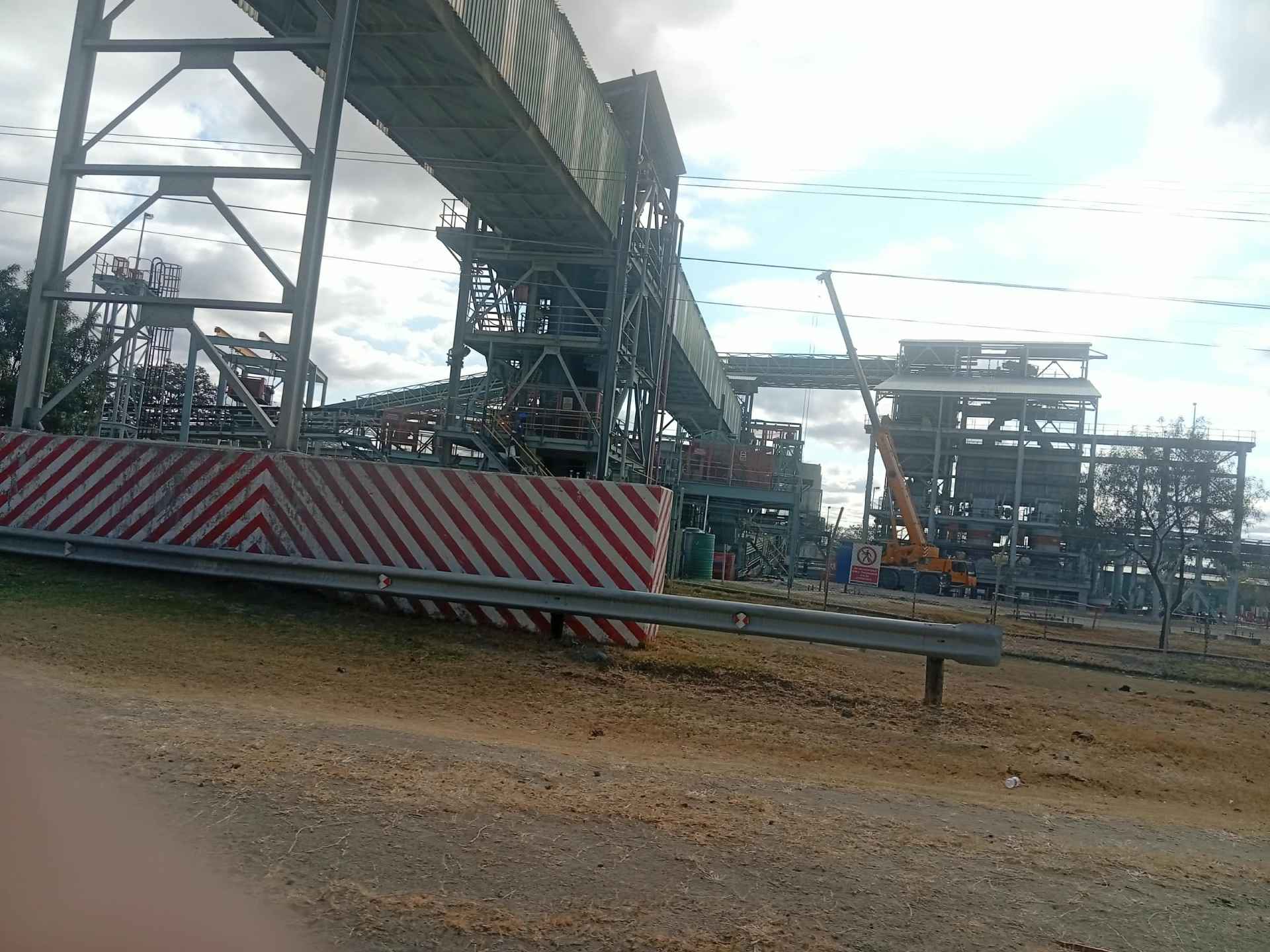
Zimbabwe's platinum reserves rank among the world's largest, with the metal generating substantial foreign exchange earnings for the southern African nation. Yet residents in mining areas contend that economic benefits have not filtered down to improve everyday conditions in their communities.
Mining operations, particularly in regions like the Great Dyke, have expanded significantly in recent years as global demand for platinum remains robust. Companies operating in these areas report substantial production figures and revenue contributions to the national economy.
However, residents describe inadequate water supply, inconsistent electricity access, and limited healthcare and educational facilities in proximity to mining zones. Local officials and community representatives have raised concerns that the disparity between platinum sector profits and visible investment in local infrastructure suggests misalignment between extraction activities and community development priorities.
The situation reflects broader tensions in resource-rich developing nations regarding the distribution of mining revenues and obligations of extractive industries to support affected populations. Government authorities have indicated plans to review benefit-sharing arrangements, though specifics remain under discussion.
Industry representatives note ongoing engagement with communities, while emphasizing their primary obligation to shareholders. Observers suggest that clarifying regulatory frameworks around corporate social responsibility and revenue allocation could address current grievances within mining regions.