Business · World News Bureau
Zimbabwe struggles to build confidence in homegrown ZiG currency
Zimbabwe's newly introduced ZiG currency faces an uphill battle gaining public trust as citizens remain skeptical following decades of monetary instability. The currency's success hinges on whether the government can demonstrate sustained economic discipline.
LSN World News ·
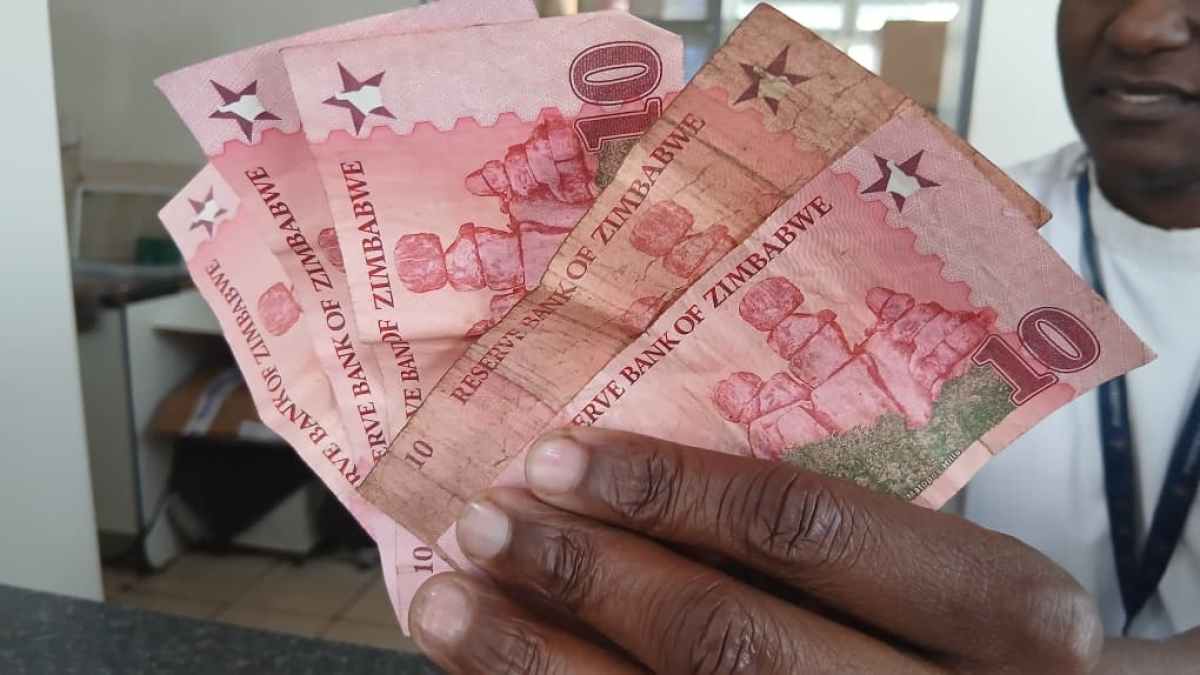
Zimbabwe has launched an ambitious effort to establish its ZiG as a credible alternative to the US dollar, which has dominated transactions across the economy for years. However, widespread public skepticism presents a significant obstacle to the currency's adoption and long-term viability.
The persistent wariness among ordinary Zimbabweans reflects deep-rooted concerns stemming from the country's turbulent monetary history. Previous domestic currencies have collapsed spectacularly, eroding savings and disrupting commerce. Most notably, hyperinflation destroyed the Zimbabwean dollar in 2009, compelling the government to officially abandon it in favor of foreign currencies.
For the ZiG to succeed where past currencies failed, policymakers must demonstrate consistent macroeconomic management and genuine commitment to financial stability. Observers note that restoring confidence requires not merely introducing a new currency, but implementing credible policies that address underlying economic weaknesses. Without visible improvements in fiscal discipline and inflation control, many Zimbabweans are likely to continue preferring the stability offered by the US dollar.
The outcome of Zimbabwe's currency experiment carries implications beyond individual transactions, reflecting broader questions about the nation's economic trajectory and capacity for institutional reform. Success would represent a milestone in reclaiming monetary sovereignty; failure could further entrench dependence on foreign currencies while deepening public distrust of government economic management.