World · World News Bureau
Zip lines become lifeline for Nepal flood survivors cut off by swollen rivers
Residents stranded in relief camps across Nepal are turning to makeshift zip lines to cross the raging Trishuli River and access critical supplies. The disaster has left thousands struggling to obtain food, medicine and other basic necessities as conventional routes remain impassable.
LSN World News ·
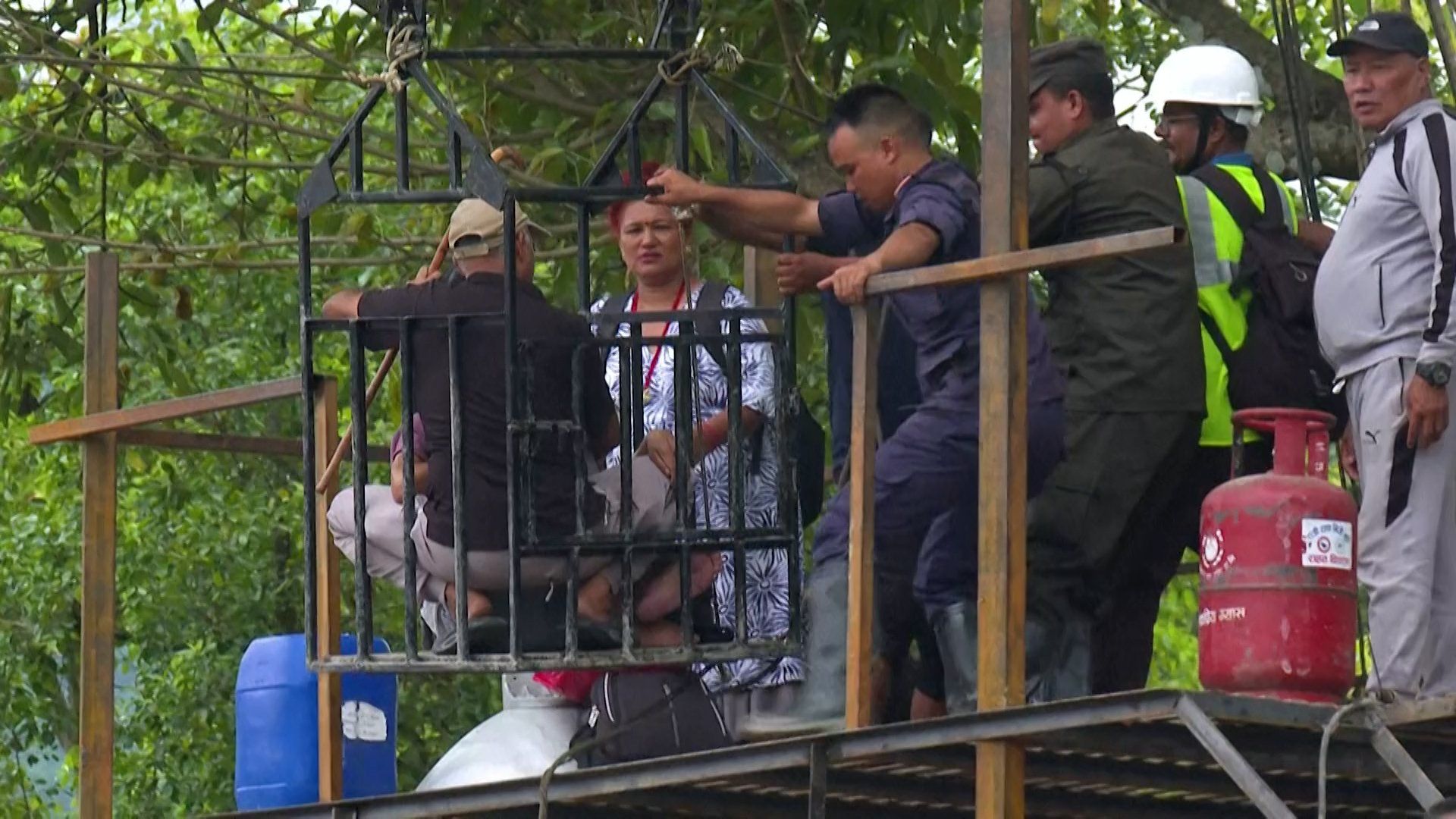
Communities in Nepal have been forced to devise unconventional methods to maintain supply lines after severe flooding rendered traditional river crossings too dangerous. The Trishuli River, swollen by heavy rains and runoff, has cut off access to several relief camps where survivors are sheltering following the disaster.
With conventional bridges and fords submerged or destroyed, residents and aid workers have rigged zip lines across the turbulent waterway to ferry essential goods to isolated populations. The improvised transport system has become a critical lifeline, allowing the movement of food supplies and medical provisions that would otherwise be impossible to deliver.
Conditions in the relief camps remain dire, with reports indicating widespread shortages of basic commodities. Survivors are facing daily challenges in accessing adequate nutrition and healthcare, compounding the hardship already experienced by those displaced by the flooding.
Local authorities and aid organizations are working to restore permanent infrastructure and establish safer passage routes. However, the continued threat of flooding and the scale of damage sustained across the region have slowed reconstruction efforts. Until conventional supply chains can be restored, the zip line operations are expected to remain essential to sustaining trapped populations.