World · Bangladesh Bureau
Zoo animals endure prolonged solitude as companionship remains elusive
A rhinoceros that spent more than a decade in isolation has highlighted the plight of zoo animals struggling without social contact. Nine other creatures at the facility continue to face similar circumstances.
LSN Bangladesh ·
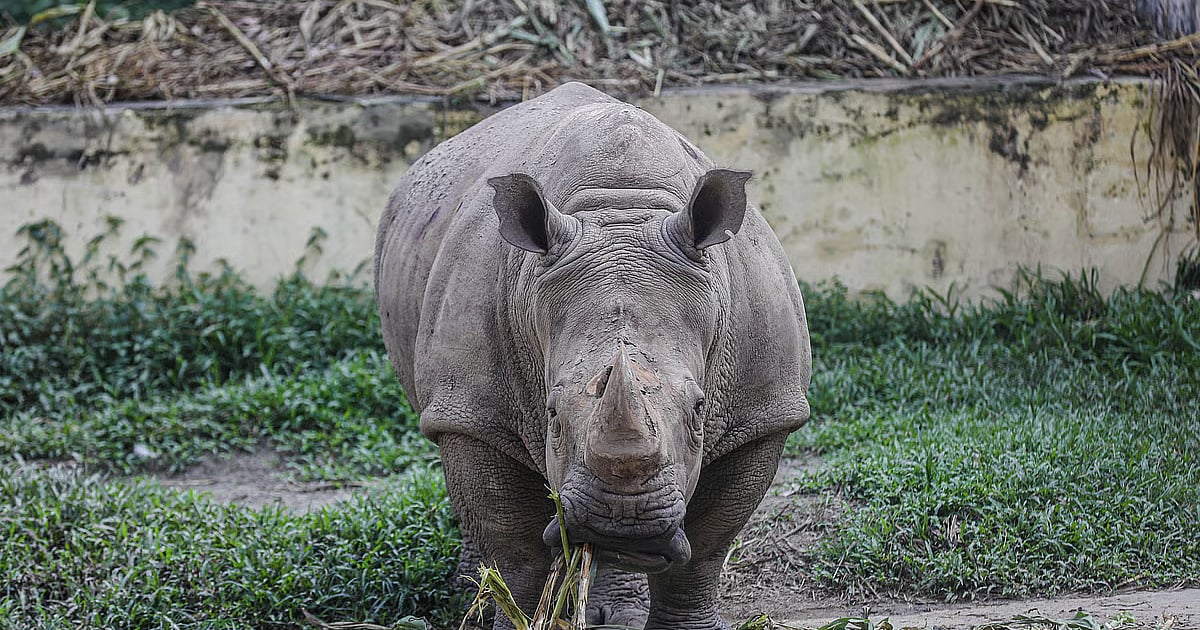
A rhinoceros housed at a South Asian zoo has finally emerged from more than a decade of solitary confinement, drawing renewed attention to the welfare challenges facing captive wildlife. The animal's lengthy period without companions underscores broader concerns about animal care standards and the psychological impact of prolonged isolation on species that would typically live in social groups.
The rhino's situation is not unique within the facility. Nine additional animals remain without companions, facing ongoing challenges related to their confinement. Wildlife experts have long emphasized that prolonged isolation can lead to behavioural problems and health complications in captive animals, particularly species with inherent social needs.
The case has raised questions about zoo management practices and the adequacy of current resources dedicated to animal welfare. Facilities housing large mammals face considerable challenges in providing appropriate living conditions, particularly when breeding programmes or conservation efforts are limited by space or funding constraints.
Animal welfare advocates are calling for improved standards in captive animal care, emphasizing the importance of social interaction and environmental enrichment. The situation reflects wider regional discussions about the responsibilities of zoos in maintaining both the physical and psychological wellbeing of the animals in their care.